How can I improve my body health with simple lifestyle changes?

Maintaining good health is one of the most important goals for people in the United States. A healthy body supports energy, focus, and overall well-being. Simple daily habits can make a big difference over time. Good nutrition, regular movement, and sufficient rest are key factors. Avoiding harmful habits like smoking and excessive drinking also protects long-term health. Stress management and mental wellness are equally important for a balanced life. Many people think improving health is complicated, but small steps can be very effective. Staying consistent with healthy routines builds resilience. Preventing illness through healthy habits is easier than treating problems later. This guide will explore simple ways to improve body health naturally.
How can I improve my body health with simple lifestyle changes?
Improving body health does not always require complicated routines or expensive tools. Small adjustments in daily habits can strengthen your body. Lifestyle changes affect energy levels, immunity, and mood. By focusing on simple, sustainable actions, anyone can feel healthier.
Eat a Balanced Diet
Eating a balanced diet provides essential nutrients your body needs to function. Include fresh vegetables, fruits, whole grains, and lean proteins. Avoid processed foods high in sugar and unhealthy fats. Drinking enough water keeps your body hydrated and supports metabolism. Plan meals to include a variety of colors and textures. Fiber-rich foods improve digestion and reduce heart disease risks. Healthy fats, like those from nuts and olive oil, support brain function. Limit fast food and sugary drinks to maintain energy balance. Portion control helps prevent overeating. Cooking at home allows better control over ingredients and reduces excess salt or sugar.
Exercise Regularly
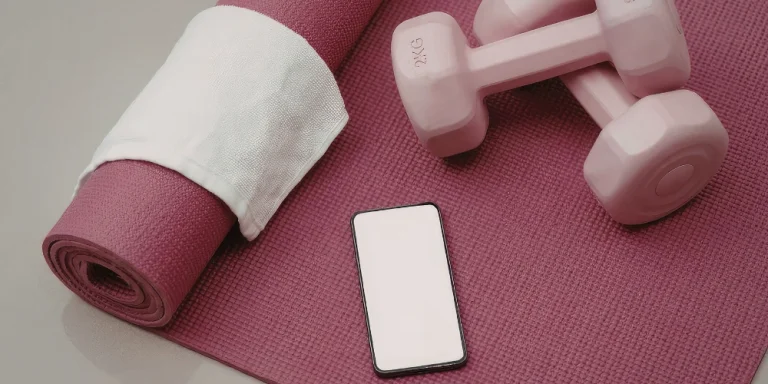
Exercise strengthens muscles, bones, and the heart. Even simple activities like walking or stretching make a difference. Aim for at least 30 minutes of activity daily. Include both cardio and strength training exercises. Cardio improves blood circulation and endurance. Strength training supports muscle tone and metabolism. Flexibility exercises reduce stiffness and improve balance. Outdoor activities also provide vitamin D and mental relaxation. Small routines, like taking stairs instead of elevators, add up over time. Consistency is more important than intensity in building lasting habits. Exercising with friends or family can make it more enjoyable.
Get Enough Sleep
Sleep restores energy and supports mental health. Adults typically need 7–9 hours per night. Maintain a regular sleep schedule, even on weekends. Create a relaxing bedtime routine to signal your body to rest. Avoid screens and caffeine before bed for better quality sleep. A comfortable mattress and quiet environment improve sleep consistency. Poor sleep can affect memory, mood, and immunity. Naps can help but should be short to avoid disrupting nighttime rest. Keep the bedroom dark and cool to promote deep sleep. Prioritize sleep as much as nutrition and exercise. Over time, good sleep patterns improve overall body function.
Manage Stress Effectively
Stress can weaken the immune system and reduce energy. Identify daily stressors and find ways to minimize them. Techniques like meditation, deep breathing, or journaling help calm the mind. Regular physical activity also reduces stress hormone levels. Spending time in nature or with loved ones provides relaxation. Setting realistic goals prevents feeling overwhelmed. Limit exposure to negative news or social media. Break tasks into small steps to make them manageable. Hobbies like reading, drawing, or music can promote mental rest. Mindfulness helps you focus on the present moment. Consistently managing stress improves both body and mental health.
Stay Hydrated
Water is essential for nearly every function in the body. Drinking enough water helps digestion, circulation, and temperature regulation. Carry a water bottle to encourage regular intake. Herbal teas and natural juices can supplement hydration. Limit sugary drinks and sodas, which can harm teeth and add unnecessary calories. Signs of dehydration include dry skin, headaches, and fatigue. Infuse water with fruits like lemon or berries for flavor. Hydration supports physical performance during exercise. Aim for at least 8 glasses of water daily, adjusting for activity and climate. Tracking your water intake can build a consistent habit. Good hydration contributes to clear skin, better energy, and overall wellness.
Frequently Asked Questions
Understanding simple lifestyle changes can be confusing. These questions address common concerns about improving body health.
Q1: How long does it take to see results from lifestyle changes?
A: Visible results vary depending on your routine and consistency. Some improvements, like more energy, can appear in a few weeks. Long-term benefits, such as weight management or stronger immunity, may take several months. Staying patient and consistent is key to lasting changes.
Q2: Can I improve health without going to a gym?
A: Yes, you can improve your body health at home or outdoors. Walking, stretching, bodyweight exercises, or yoga are effective alternatives. Regular movement, proper diet, and adequate sleep can create significant health benefits. Consistency matters more than equipment or gym membership.
Conclusion
Improving body health in the United States is achievable through simple, daily choices. Eating a balanced diet, exercising regularly, and staying hydrated are foundational steps. Prioritizing sleep and managing stress enhance overall wellness. Small, consistent actions create long-term benefits. Avoiding harmful habits like smoking or excessive drinking is equally important. Monitoring progress and adjusting routines helps maintain results. Every step counts, and gradual changes often lead to the best outcomes. Building healthy habits today strengthens your body for the future.