What are the best ways to improve daily body movement?

Keeping your body active every day is very important for overall health. In the United States, many people spend long hours sitting at desks, driving, or using electronic devices. This sedentary lifestyle can lead to tiredness, stiffness, and long-term health issues. Regular daily movement improves energy, mood, and strength. Even small changes in habits can make a big difference over time. Simple activities like stretching, walking, or light exercises keep muscles flexible. They also support healthy joints and prevent pain. Maintaining a daily routine that includes movement helps improve circulation. It also boosts metabolism and mental focus. By focusing on daily body movement, you can build a healthier and more active lifestyle for the long term.
What are the best ways to improve daily body movement?
Daily movement is essential for keeping your body healthy, flexible, and strong. You do not need a gym to stay active; simple practices at home, work, or outdoors can make a big difference. Moving regularly helps prevent fatigue and improves posture. Even small amounts of daily activity are very effective for long-term health.
1. Morning Stretching Routine
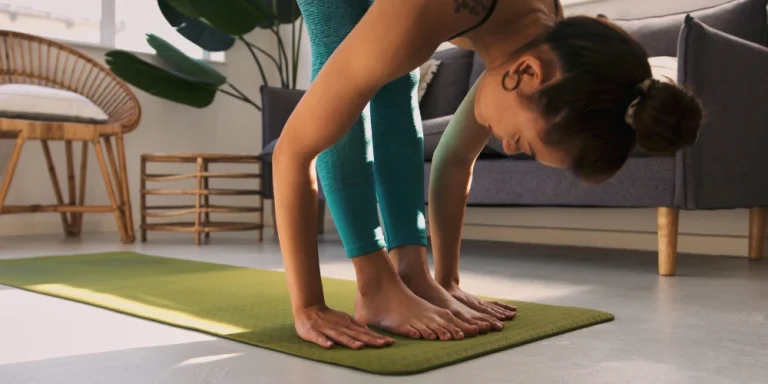
Starting your day with stretching helps loosen tight muscles. Spend 5–10 minutes stretching your neck, shoulders, back, and legs. Focus on slow and controlled movements to avoid injury. Simple stretches like reaching arms overhead, side bends, and hamstring stretches are effective. Stretching increases blood flow to muscles and joints. It also prepares the body for daily activity. Consistent morning stretches reduce stiffness and soreness. You can even combine stretches with deep breathing. This routine wakes up the body and mind. Stretching daily improves flexibility over time.
2. Walking or Light Cardio
Walking or light cardio is one of the easiest ways to stay active. Aim for at least 20–30 minutes of brisk walking each day. You can walk around your neighborhood, use a treadmill, or walk during breaks at work. Walking improves circulation, heart health, and energy levels. It also helps with weight management and reduces stress. Using stairs instead of elevators is a simple cardio option. Walking with a friend or pet makes it more enjoyable. Regular walking supports strong bones and leg muscles. Light cardio exercises like cycling or jogging are also helpful. Consistency is more important than speed or distance.
3. Strengthening Exercises
Strengthening exercises build muscle and support joints. Bodyweight exercises like squats, push-ups, and lunges can be done anywhere. Using resistance bands or light weights increases effectiveness. Strong muscles make daily tasks easier and reduce the risk of injury. Focus on core exercises to improve posture and balance. Perform 2–3 sessions per week for best results. Strength training also boosts metabolism and energy. It helps prevent muscle loss as you age. Always start with proper form to avoid strain. Gradually increase intensity as your strength improves.
4. Active Breaks During Work
Sitting for long periods can harm your body. Take short breaks every hour to move and stretch. Stand up, walk around, or do light exercises at your desk. Use reminders or apps to schedule these active breaks. Even 2–3 minutes of movement every hour improves circulation. Stretching your arms, shoulders, and back prevents stiffness. These breaks reduce mental fatigue and improve focus. Simple movements like shoulder rolls, leg lifts, and torso twists are helpful. Combining small movements throughout the day adds up. Active breaks make long work hours healthier and more productive.
5. Evening Mobility Practice
Ending your day with mobility exercises relaxes your body. Gentle stretching, yoga, or foam rolling helps release tension. Focus on major joints: hips, shoulders, knees, and spine. Evening mobility improves sleep quality by reducing muscle stiffness. Use slow movements and controlled breathing to calm the nervous system. Mobility practice also helps prevent injuries. Spending 10–15 minutes daily is enough to see results. Combining morning and evening movement ensures balanced flexibility. These exercises maintain healthy joints and muscles over time. Your body feels lighter and more comfortable each day.
Frequently Asked Questions
Improving daily movement raises many questions. Here are common concerns and simple solutions.
Q1: How much daily movement is enough for good health?
Even 20–30 minutes of moderate activity each day is beneficial. This can include walking, stretching, or light exercises. Consistency is more important than intensity. Breaking it into smaller sessions works just as well.
Q2: Can I improve flexibility without going to a gym?
Yes, flexibility can improve at home using stretches and mobility exercises. Yoga, bodyweight stretches, and gentle joint movements are effective. Daily practice, even for 10–15 minutes, shows improvement over time.
Conclusion
Daily body movement is essential for a healthier and more active life. Start with simple practices like stretching in the morning. Include walking, light cardio, and strength exercises regularly. Take active breaks at work to prevent stiffness. End your day with mobility routines to relax muscles. Small steps add up to long-term benefits. Consistency is the key to success. Over time, daily movement improves energy, mood, and overall health. Following these steps helps maintain a strong, flexible, and active body.