How can I improve my body balance and coordination naturally?

Maintaining good body balance and coordination is essential for daily life and overall health. In the United States, many people focus on strength and cardio but often neglect balance, which is equally important. Balance helps prevent falls, improves posture, and supports smooth movement during activities like walking, sports, and even household tasks. Coordination allows your brain and muscles to work together efficiently, making movements precise and controlled. Developing these skills naturally enhances agility, confidence, and overall physical fitness. Simple daily habits and exercises can significantly improve balance and coordination. Lifestyle choices, including nutrition, sleep, and mental focus, also play a vital role. Regular practice can reduce the risk of injuries and enhance overall wellness. This article explores natural ways to strengthen your balance and coordination effectively.
How can I improve my body balance and coordination naturally?
Improving balance and coordination naturally involves exercises, mindfulness, and lifestyle adjustments. Simple daily practices can make a big difference in how your body moves. Developing these skills helps prevent injuries and supports active living. Here are some effective approaches to enhance balance and coordination at home.
Practice Yoga and Stretching
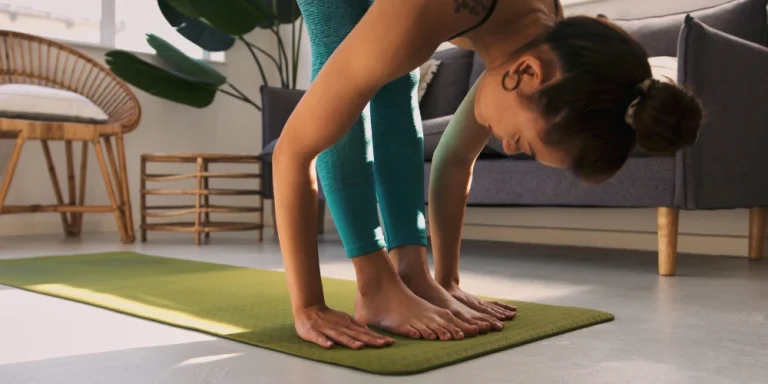
Yoga is excellent for improving balance and body awareness. Poses like Tree Pose, Warrior III, and Half Moon Pose engage your core and leg muscles. These exercises also enhance focus and concentration, which are critical for coordination. Stretching before and after workouts maintains flexibility, reducing stiffness that can affect balance. Daily yoga practice, even for 15–20 minutes, strengthens stabilizing muscles. Controlled breathing during yoga helps the nervous system work efficiently. Incorporating balance-focused poses into a morning routine can gradually improve stability. Practicing on a soft surface challenges your muscles and balance further. Over time, you’ll notice smoother movements and fewer instances of wobbling. Yoga also reduces stress, which indirectly improves motor coordination. Consistency is key; practicing regularly produces lasting results. Using props like blocks or straps can assist beginners. Focus on proper alignment to maximize benefits. Balance yoga with other functional exercises for best results. Mindful movement during yoga helps connect mind and body. Even simple stretches while watching TV can contribute to improvement. Avoid rushing through poses to maintain control. Observing progress encourages continued practice. Integrate deep stretching for lower back and legs to enhance mobility. Over weeks, your body becomes more responsive and coordinated naturally.
Strengthen Core Muscles
A strong core is fundamental for maintaining balance. Core muscles stabilize your spine, pelvis, and overall posture. Exercises like planks, bridges, and abdominal twists activate deep stabilizers. Performing balance challenges, such as standing on one leg while engaging the core, improves coordination. Strengthening the core prevents falls and enhances control during movement. Core workouts improve alignment and reduce back pain. Include bodyweight exercises and light resistance for variety. Gradually increase difficulty to challenge your stability. Engage the core during daily activities like lifting or bending. Balanced core strength supports smoother athletic movements and functional tasks. Even simple movements, like seated leg lifts, activate core muscles. Use slow and controlled motions to enhance muscle recruitment. Focus on maintaining proper breathing while performing exercises. Yoga and Pilates complement core strengthening effectively. Strong core muscles improve reaction time in sudden balance shifts. Balance boards or stability balls add extra challenge. Track progress by noting improved posture and stability. Avoid overtraining; give muscles time to recover. Pair core exercises with leg strength routines for holistic balance. Consistent practice ensures long-term coordination improvement. A strong core also supports efficient walking, running, and climbing stairs safely.
Engage in Balance Exercises
Specific balance exercises directly target stability and coordination. Standing on one leg, heel-to-toe walking, and side leg lifts are simple yet effective. Incorporating dynamic movements, like lunges or squats, improves functional balance. Use props like balance boards or foam pads to challenge your body further. Begin with short sessions and gradually extend duration as stability improves. Eyes-closed exercises increase reliance on inner ear and proprioception for balance. Balance exercises enhance ankle, knee, and hip strength. Practicing on uneven surfaces mimics real-life challenges, reducing injury risk. Combine upper body movements with balance exercises for full-body coordination. Slow, controlled motion helps the nervous system learn precise muscle control. Include these exercises in daily routines, such as before morning showers or after work. Track improvements by noting how long you can hold each pose. Use a wall or chair for support when needed initially. Regular practice increases confidence during walking, climbing, or sports. Integrate movements into playful activities, like tossing a ball while balancing. Practicing barefoot occasionally strengthens foot muscles and improves proprioception. Balance exercises complement cardio and strength training. Recovery and rest are essential to prevent fatigue-related loss of stability. Over time, improved balance exercises translate to smoother, coordinated daily movement. Safety and consistency are key for sustainable progress.
Incorporate Coordination Drills
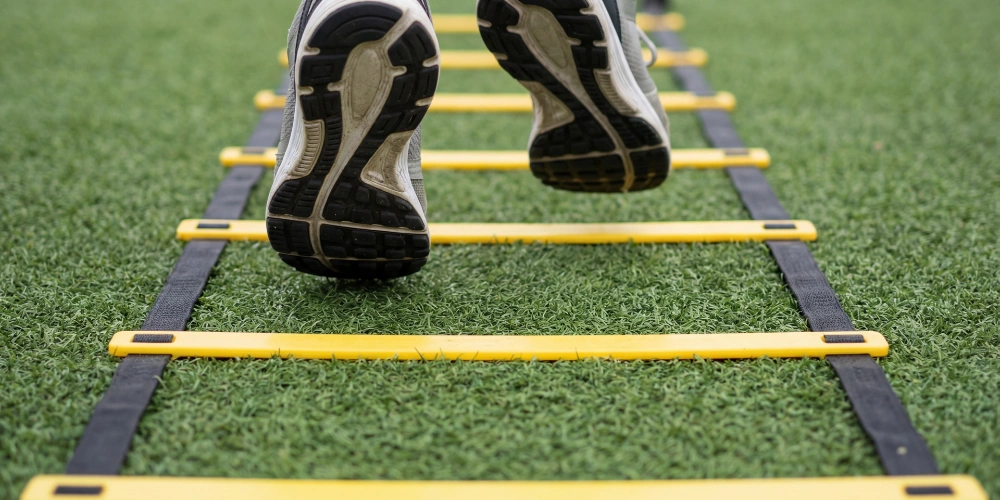
Coordination drills help the brain and body work together efficiently. Simple exercises include catching a ball, juggling, or performing hand-eye movement patterns. Agility ladders and cone drills improve footwork and timing. Multi-directional movements train muscles to respond quickly and accurately. Combining balance and coordination exercises enhances overall motor skills. Drills should start slow and increase in complexity over time. Use rhythmic patterns or music to enhance timing and focus. Coordination exercises reduce reaction time and improve reflexes. Sports like tennis, basketball, or dance naturally enhance coordination. Incorporating brain-focused drills, like alternating hand touches, stimulates neural pathways. Daily practice improves precision and confidence in movements. Combining upper and lower body actions strengthens whole-body coordination. Coordination drills can be done in small spaces at home. Monitor progress by tracking completion speed and accuracy. Avoid overloading exercises; focus on controlled repetition. Pair drills with strength and balance exercises for best results. Coordination practice improves posture and movement efficiency. Rest and hydration support muscle recovery and coordination retention. Over time, these drills help you move gracefully and prevent accidental falls.
Frequently Asked Questions
Improving balance and coordination raises common questions among beginners and fitness enthusiasts. Here are answers to the most frequent queries.
Q1: How often should I practice balance and coordination exercises?
It is ideal to practice 4–5 times a week for at least 15–30 minutes. Consistency is more important than intensity at the beginning. Gradually increasing duration and difficulty ensures steady improvement without injury. Even daily short sessions can produce noticeable results over time.
Q2: Can improving balance prevent injuries?
Yes, better balance and coordination reduce the risk of falls and muscle strains. Strengthened stabilizing muscles and improved body awareness help respond to sudden shifts in movement. This is especially important for older adults and athletes. Combining balance with core and leg strength enhances protection further.
Conclusion
Improving body balance and coordination naturally is achievable with consistent effort. Yoga, stretching, and core strengthening form the foundation for stability. Balance exercises and coordination drills enhance motor skills and confidence. Practicing regularly, even at home, leads to noticeable improvements. Paying attention to posture and proper technique amplifies results. Lifestyle factors like nutrition, hydration, and rest support overall progress. Tracking improvements motivates continued practice and long-term habit formation. With patience and commitment, your body becomes more agile, stable, and coordinated naturally.