How can I improve my overall fitness with basic exercises?

Maintaining overall fitness is essential for a healthy and active lifestyle in the United States. Many people struggle to stay consistent with exercise due to busy schedules, but simple routines can make a big difference. Fitness not only improves physical strength but also enhances mental well-being and energy levels. Regular movement helps prevent chronic diseases such as diabetes, heart disease, and obesity. Even short daily workouts can boost metabolism and increase stamina. Incorporating fitness into everyday life strengthens muscles, improves flexibility, and promotes better posture. Exercise also reduces stress and supports better sleep patterns. Understanding your body’s limits and starting gradually can lead to sustainable progress. Everyone, regardless of age, can benefit from basic fitness routines. Simple exercises, done correctly, can create lasting positive changes in health and lifestyle.
How can I improve my overall fitness with basic exercises?
Improving overall fitness doesn’t require a gym or expensive equipment. With basic exercises, you can enhance strength, flexibility, and endurance. These routines can be done at home, outdoors, or in small spaces. Consistency and proper form are key to achieving long-term results.
Strength Training
Strength training helps build muscle, increase metabolism, and improve bone density. You don’t need weights—bodyweight exercises work effectively. Push-ups, squats, and lunges target multiple muscle groups at once. Start with a few repetitions and gradually increase over time. Consistent practice strengthens the core, arms, and legs. Resistance bands can be added for extra challenge. Proper form prevents injuries and maximizes results. Incorporate strength training 2-3 times per week. Pair exercises with rest days to allow muscles to recover. Tracking progress motivates continued improvement. Focus on slow, controlled movements. Mixing up exercises prevents plateaus. Include compound movements for efficiency. Strength training also improves balance and coordination. It enhances functional fitness for daily activities. Core exercises like planks support posture and stability. Push-ups strengthen chest and triceps. Squats engage thighs and glutes. Lunges help with leg strength and flexibility. Overall, consistent strength exercises lead to better fitness and confidence.
Cardiovascular Exercises
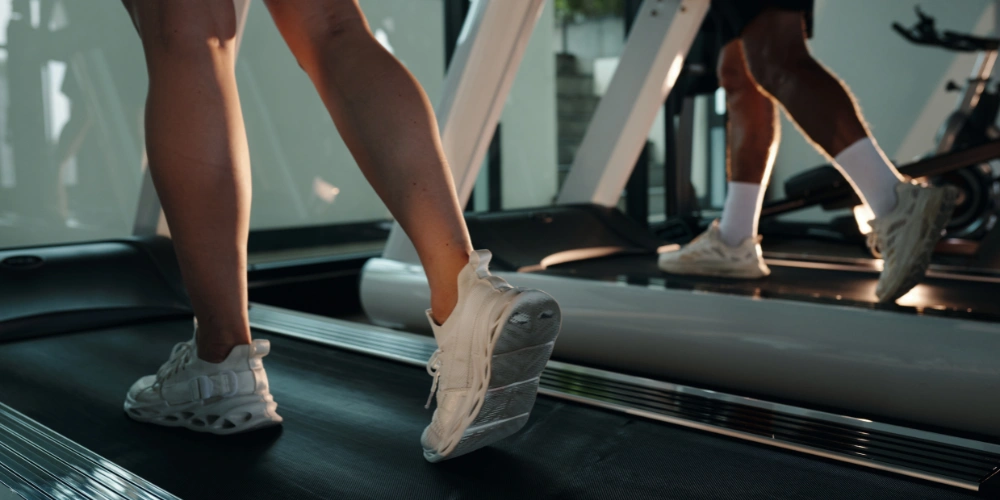
Cardio exercises improve heart health, stamina, and energy levels. Walking, jogging, and cycling are simple and effective options. Start with 10-15 minutes daily and increase gradually. Jumping jacks or high knees raise heart rate quickly. Cardio also aids in weight management. It reduces stress and supports mental clarity. Combining cardio with strength training creates a balanced routine. Outdoor activities like running in parks make workouts enjoyable. Dance workouts can be fun and effective. Swimming or water aerobics are low-impact alternatives. Interval training boosts calorie burn efficiently. Choose activities you enjoy to maintain consistency. Track your heart rate for optimal intensity. Warm up before and cool down after cardio sessions. Hydrate properly to support performance. Cardiovascular exercises improve lung capacity and endurance. Aim for at least 150 minutes of moderate-intensity cardio per week. Consistency ensures long-term heart and metabolic health.
Flexibility and Mobility
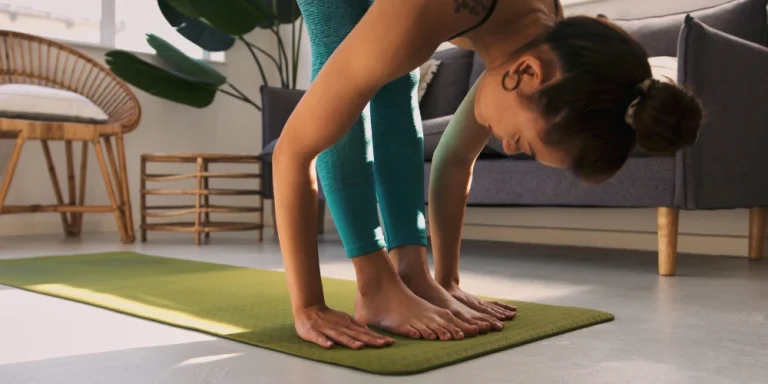
Flexibility exercises prevent injuries and improve movement efficiency. Stretching daily maintains muscle elasticity. Yoga and Pilates enhance balance, strength, and flexibility simultaneously. Focus on major muscle groups like hamstrings, shoulders, and back. Dynamic stretches warm up the body before workouts. Static stretches relax muscles after exercises. Proper breathing enhances stretch effectiveness. Stretching improves posture and reduces muscle tension. Mobility exercises strengthen joints and improve range of motion. Foam rolling aids in muscle recovery and circulation. Simple routines like shoulder rolls and hip openers are effective. Flexibility exercises enhance athletic performance and daily activities. Incorporate short sessions multiple times per week. Consistent practice reduces stiffness and soreness. Flexibility supports overall body alignment. Improving mobility enhances coordination and stability. Stretching also promotes relaxation and stress relief.
Frequently Asked Questions
Fitness routines can seem challenging, but basic exercises are accessible to everyone.
Q1: How long should I exercise daily to see results?
Even 20-30 minutes per day of consistent activity can improve fitness. Combining strength, cardio, and flexibility exercises provides balanced benefits. Gradually increasing intensity ensures progress.
Q2: Do I need special equipment to start basic exercises?
No equipment is required for most basic exercises. Bodyweight workouts like push-ups, squats, and planks are very effective. Optional items like resistance bands can add variety but aren’t necessary.
Conclusion
Improving overall fitness starts with simple, consistent exercises. Begin with bodyweight movements for strength and gradually include cardio routines. Stretching and mobility exercises maintain flexibility and prevent injuries. Track your progress and set achievable goals to stay motivated. Include rest days for recovery and avoid overtraining. Small, daily habits create long-lasting health benefits. Remember, consistency is more important than intensity at the beginning. With patience and persistence, anyone can achieve better fitness and well-being.