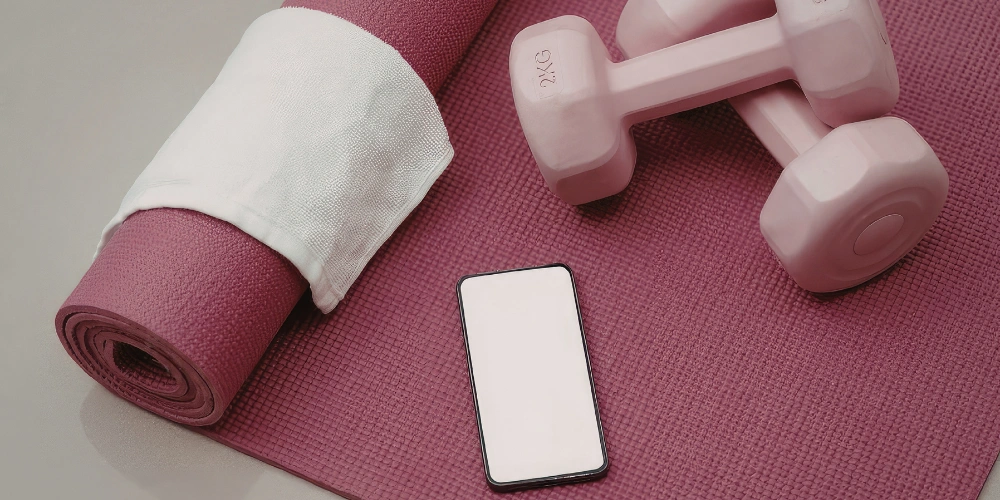
What are the best ways to stay physically fit at home?

Staying physically fit is important for a healthy and active life in the United States. Many people want to maintain their fitness without going to crowded gyms. Home workouts offer convenience, privacy, and flexibility for any schedule. With simple equipment or even bodyweight exercises, anyone can improve strength and stamina. Regular physical activity also boosts energy, supports heart health, and reduces stress. Healthy habits at home can prevent chronic diseases and improve overall well-being. Fitness at home does not require expensive machines or memberships. Consistency and discipline are key to seeing results. Even short daily workouts can make a big difference over time. This guide will show the best ways to stay physically fit at home.
What are the best ways to stay physically fit at home?
Staying physically fit at home is achievable with consistent effort and simple routines. You can improve strength, endurance, and flexibility without leaving your house. Using your bodyweight, small equipment, or household items, you can build effective workouts. Focus on exercises that target multiple muscle groups for better results.
1. Bodyweight Exercises
Bodyweight exercises are simple and effective for building strength and endurance. Push-ups, squats, lunges, and planks are examples. These exercises engage multiple muscles at once. They require no equipment and can be done in small spaces. Start with 2–3 sets of each exercise. Gradually increase repetitions as your strength improves. Bodyweight exercises also improve balance and coordination. You can vary intensity by changing angles or adding pauses. Circuit routines combining several exercises boost heart rate. Daily practice can improve posture and reduce injury risk. Mixing different exercises keeps workouts interesting.
2. Resistance Band Workouts
Resistance bands are affordable tools for strength training at home. They provide resistance to help muscles grow and tone. Bands come in different strengths for beginners to advanced users. Exercises include bicep curls, leg presses, and chest presses. They can target both upper and lower body muscles. Bands are lightweight and easy to store. You can attach them to doors or furniture for different exercises. Resistance training also strengthens bones and joints. Using bands regularly can improve mobility and flexibility. Combining bands with bodyweight moves increases overall fitness.
3. Cardio at Home
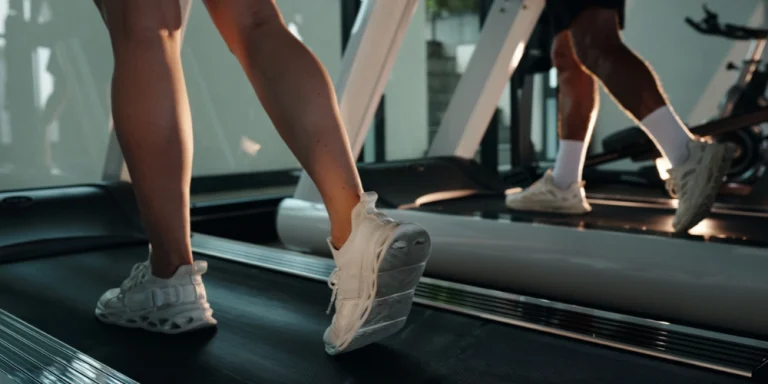
Cardio workouts improve heart health and burn calories efficiently. You can do jumping jacks, high knees, running in place, or skipping rope. Dancing or following online cardio routines is another option. Aim for at least 20–30 minutes per session. Interval training alternates intense effort with rest for better results. Cardio helps reduce stress and boosts energy levels. You don’t need large spaces to perform cardio exercises. Even short bursts of activity during the day help maintain fitness. Tracking heart rate ensures safe and effective workouts. Consistency is key to improving stamina and endurance.
4. Yoga and Stretching
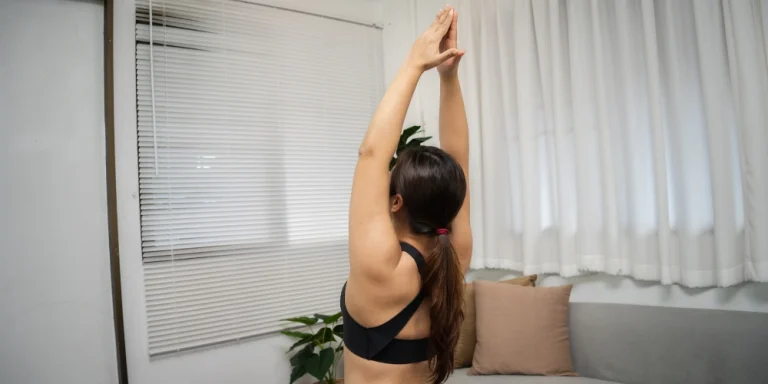
Yoga and stretching enhance flexibility, balance, and relaxation. Regular practice reduces muscle tension and prevents injuries. You can follow guided videos or use simple routines at home. Poses like downward dog, cat-cow, and child’s pose are beginner-friendly. Yoga also improves mental focus and reduces stress. Stretching before and after workouts promotes recovery. Morning yoga energizes the body, while evening sessions relax muscles. Breathing exercises complement physical poses for full-body benefits. Even 15–20 minutes daily can improve mobility and posture. Combining yoga with strength and cardio ensures a balanced routine.
5. Using Household Items as Equipment
Household items can be practical alternatives for home workouts. Water bottles, backpacks, or chairs can replace dumbbells or benches. Use a sturdy chair for step-ups or tricep dips. Fill bags with books to add weight for squats or presses. Improvising with items at home keeps workouts accessible. Safety is important—choose items that are stable and durable. Gradually increase resistance as you gain strength. Creative use of objects keeps exercise routines fresh and challenging. It also reduces costs for specialized equipment. Household workouts are flexible and convenient for busy schedules. Consistency ensures progress even without a gym.
Frequently Asked Questions
Staying fit at home raises common questions about routines and results. Here are answers to some of them.
Q1: How long should I exercise at home daily to stay fit?
A1: You should aim for at least 30 minutes of physical activity each day. It can be broken into shorter sessions if needed. Combining strength, cardio, and stretching ensures full-body fitness. Consistency is more important than long durations.
Q2: Can I get strong and toned without weights?
A2: Yes, bodyweight exercises and resistance bands can build strength and tone muscles. Proper form and progressive intensity are key. Adding household items for resistance can further enhance results. Regular workouts and balanced nutrition support muscle growth.
Conclusion
Maintaining physical fitness at home is practical and effective. Simple exercises, resistance bands, and cardio routines improve strength and endurance. Yoga and stretching enhance flexibility and mental well-being. Household items can be creatively used to add resistance. Short, consistent daily workouts are more effective than sporadic long sessions. Tracking progress helps stay motivated and adjust routines. Combining different exercise types ensures balanced fitness. With dedication, staying fit at home can lead to lasting health benefits.