How can I naturally improve my physical performance at home?

Improving physical performance is a goal many people in the United States pursue for better health, energy, and daily productivity. A strong and active body helps you handle daily tasks with ease and reduces the risk of injuries. You don’t always need a gym or expensive equipment to boost your fitness. Simple habits at home can make a big difference. Nutrition, proper rest, and structured exercises play a key role. Small lifestyle changes can have long-term benefits. Staying consistent is more important than intensity. Tracking progress helps maintain motivation. Mental focus also contributes to better physical performance. This guide explains practical ways to improve your body naturally at home.
How can I naturally improve my physical performance at home?
Improving physical performance at home relies on consistent exercise, good nutrition, and proper recovery. Simple routines can boost strength, endurance, and flexibility. You can use bodyweight exercises, household items, and small routines to see noticeable results. Combining these habits ensures sustainable improvements without overexertion.
Strength Training at Home
Strength training builds muscle, improves metabolism, and supports better overall performance. Start with bodyweight exercises such as push-ups, squats, lunges, and planks. Gradually increase repetitions or sets as your body adapts. Use household items like water bottles or backpacks as light weights. Focus on correct form to prevent injuries. Short sessions of 20-30 minutes, 3-4 times a week, are effective. Include compound movements that target multiple muscles. Strengthening your core improves balance and stability. Recovery is crucial, so rest muscles between sessions. Mix high-intensity and moderate exercises for better results. Track progress with a journal to stay motivated.
Cardiovascular Fitness
Cardio exercises enhance heart health, stamina, and oxygen efficiency. Simple activities like jogging, skipping rope, or dancing at home can boost cardiovascular performance. Start with 10-15 minutes and gradually extend to 30-45 minutes daily. Interval training, alternating high-intensity and low-intensity periods, improves endurance faster. Incorporate stair climbing or brisk walking around your home. Consistency is key; short, frequent sessions can be as effective as long workouts. Proper hydration before and after exercise supports heart function. Avoid overtraining to prevent fatigue or burnout. Listen to your body and adjust intensity accordingly. Cardio also supports mental clarity and reduces stress.
Flexibility and Mobility
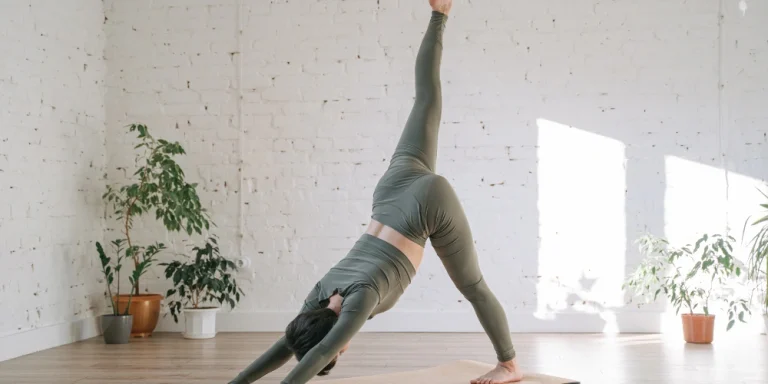
Flexibility exercises prevent injuries and improve range of motion. Yoga, stretching, and mobility routines help muscles stay supple. Spend 5-10 minutes daily stretching major muscle groups. Focus on dynamic stretches before workouts and static stretches afterward. Mobility drills like hip circles, ankle rotations, and shoulder rolls enhance joint health. Stretching consistently reduces muscle tension and soreness. Combining flexibility with strength training improves overall performance. Use online tutorials or apps for guided routines. Avoid forcing stretches; move slowly and steadily. Consistent practice improves posture and balance. Flexibility exercises also enhance coordination and relaxation.
Nutrition for Performance
A balanced diet fuels your body and supports recovery. Prioritize whole foods like fruits, vegetables, lean proteins, and whole grains. Protein intake helps muscle repair and growth. Healthy fats from nuts, seeds, and oils provide sustained energy. Hydrate regularly to maintain performance and prevent fatigue. Limit processed foods and excess sugar, which can hinder energy levels. Eat smaller meals before workouts to avoid discomfort. Include post-workout snacks with protein and carbs to replenish energy. Supplements can help if your diet lacks nutrients, but natural food is preferable. Meal planning ensures you stay consistent. Nutrition directly affects strength, stamina, and mental focus.
Rest and Recovery
Rest is as important as exercise for improving performance. Muscles repair and grow during sleep. Aim for 7-9 hours of quality sleep each night. Take rest days between intense workouts to prevent overuse injuries. Techniques like deep breathing, meditation, or light stretching promote recovery. Avoid stress, which can negatively impact energy and strength. Warm baths or foam rolling reduce muscle soreness. Proper recovery enhances future workouts and prevents burnout. Track your sleep patterns and recovery to optimize performance. Balanced rest improves both physical and mental performance. Recovery ensures long-term sustainable fitness gains.
Frequently Asked Questions
Improving physical performance at home raises common questions about exercises, nutrition, and routines.
Q1: Can I build muscle without a gym?
Yes, bodyweight exercises like push-ups, squats, and planks are effective. Using household items as weights can add resistance. Consistency, proper form, and progressive challenges are essential for growth.
Q2: How often should I exercise to see results at home?
Aim for 4-5 days a week with a mix of strength, cardio, and flexibility. Short, consistent sessions are more effective than occasional intense workouts. Listen to your body and rest when needed.
Conclusion
Improving physical performance naturally at home is achievable with the right approach. Focus on consistent strength training, cardiovascular exercises, and flexibility routines. Proper nutrition fuels your body and aids recovery. Rest and quality sleep are essential for sustainable gains. Small daily habits lead to long-term improvements in strength, endurance, and overall health. Tracking your progress motivates continued effort. Avoid overtraining and respect your body’s limits. With patience and consistency, your home routine can significantly enhance your physical performance.