What are the natural ways to improve flexibility and mobility?

Flexibility and mobility are key components of a healthy body. They help reduce the risk of injury, improve posture, and make daily activities easier. In the United States, many people focus on strength training but often neglect flexibility. Stretching and mobility exercises are essential for overall fitness. Good flexibility allows muscles and joints to move freely. Mobility ensures that the joints work properly throughout their full range of motion. Both improve circulation, relieve tension, and enhance athletic performance. Over time, consistent practice can reduce aches and stiffness. Simple daily habits can make a big difference in flexibility and mobility. Investing a few minutes a day can lead to long-term benefits for your body.
What are the natural ways to improve flexibility and mobility?
Improving flexibility and mobility naturally means using safe, consistent methods without equipment or medication. Stretching, gentle exercises, and mindful movement can enhance joint health and muscle elasticity. Making these practices part of your daily routine promotes long-term benefits. They are suitable for all ages and fitness levels.
Stretching Exercises
Stretching is one of the most effective ways to improve flexibility. Focus on major muscle groups like hamstrings, calves, shoulders, and back. Hold each stretch for at least 20–30 seconds without bouncing. Incorporate both static and dynamic stretches into your routine. Stretch after workouts to maintain flexibility. Yoga stretches can also improve balance and mental focus. Stretching regularly helps prevent muscle tightness and joint pain. Morning stretches can energize the body for the day. Evening stretches can relax muscles and improve sleep. Gradually increase stretch duration and intensity over time. Avoid overstretching, which can cause injury. Stretching should feel slightly uncomfortable, not painful. Focus on controlled breathing during each stretch. Use props like a wall or chair for support. Stretch both sides of the body equally. Combine stretching with light aerobic warm-up for better results. Stretching before exercise warms up muscles and prevents strains. Stretching after exercise aids recovery. Consistency is more important than intensity. Tracking progress can motivate continued practice.
Mobility Drills
Mobility drills focus on joint movement rather than muscle length. Perform exercises like hip circles, shoulder rotations, and ankle rolls. These drills maintain proper joint function and reduce stiffness. Use controlled movements to strengthen joint stability. Include full-body mobility drills to target multiple joints. Repeat each drill 10–15 times per session. Incorporate these drills into warm-ups or cool-downs. Movements should be slow and deliberate for maximum benefit. Daily mobility practice improves posture and balance. Functional movements like squats and lunges enhance joint strength. Proper technique is essential to avoid strain. Gentle spinal twists improve back mobility. Shoulder mobility exercises can prevent frozen shoulder. Hip mobility drills reduce lower back pressure. Wrist and ankle drills enhance everyday activities like walking and lifting. Pair mobility work with breathing exercises for relaxation. Mobility drills can complement strength training. Over time, they increase range of motion and flexibility. Listen to your body and avoid pushing beyond comfort. Track joint progress to notice improvements. Regular mobility work prevents chronic stiffness and supports long-term health.
Yoga and Mindful Movement
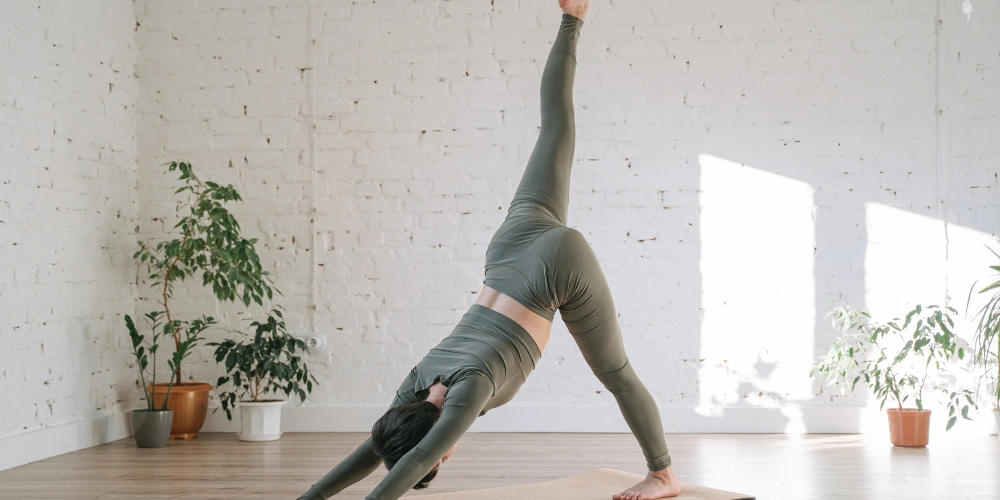
Yoga combines stretching, strength, and mobility in gentle flows. Poses like Downward Dog, Cobra, and Warrior enhance flexibility. Yoga also promotes balance, coordination, and mental focus. Daily yoga practice reduces stress and improves circulation. Focused breathing in yoga increases oxygen flow to muscles. Yoga sequences can target tight areas like hips and shoulders. Mindful movement emphasizes proper alignment and control. Slow, intentional movements improve body awareness. Regular practice reduces tension and soreness. Yoga supports both beginners and advanced practitioners. Adapt poses using props for safety and comfort. Gentle flows before bed can improve sleep quality. Yoga also strengthens stabilizing muscles. Combining yoga with other exercises enhances overall mobility. Breath control helps in deeper stretches safely. Short daily sessions are more effective than occasional long sessions. Yoga encourages consistency and mindful living. Practice in a quiet space for better concentration. Guided sessions or videos can assist beginners. Long-term yoga practice maintains flexibility as you age.
Frequently Asked Questions
Improving flexibility and mobility raises common questions among beginners and fitness enthusiasts. Here are answers to the most asked ones.
Q1: How often should I stretch and do mobility exercises?
You should aim for at least 3–5 days a week. Stretching daily is ideal, especially after workouts or in the morning. Mobility exercises can be done before exercise or as a short daily routine. Consistency is key for long-term improvements.
Q2: Can flexibility exercises prevent injuries?
Yes, regular stretching and mobility work reduce muscle tightness and improve joint range of motion. This decreases the likelihood of strains and sprains during physical activities. They also help correct posture and balance, further lowering injury risk.
Conclusion
Flexibility and mobility are essential for maintaining a healthy, active lifestyle. Consistent stretching, mobility drills, and yoga support joint function and muscle health. Small daily efforts can lead to significant long-term improvements. Proper technique and controlled movements prevent injuries. Breath awareness enhances both flexibility and relaxation. Tracking progress can motivate continued practice. These natural methods are safe, accessible, and suitable for all ages. By prioritizing flexibility and mobility, you improve overall well-being and quality of life.